Description:
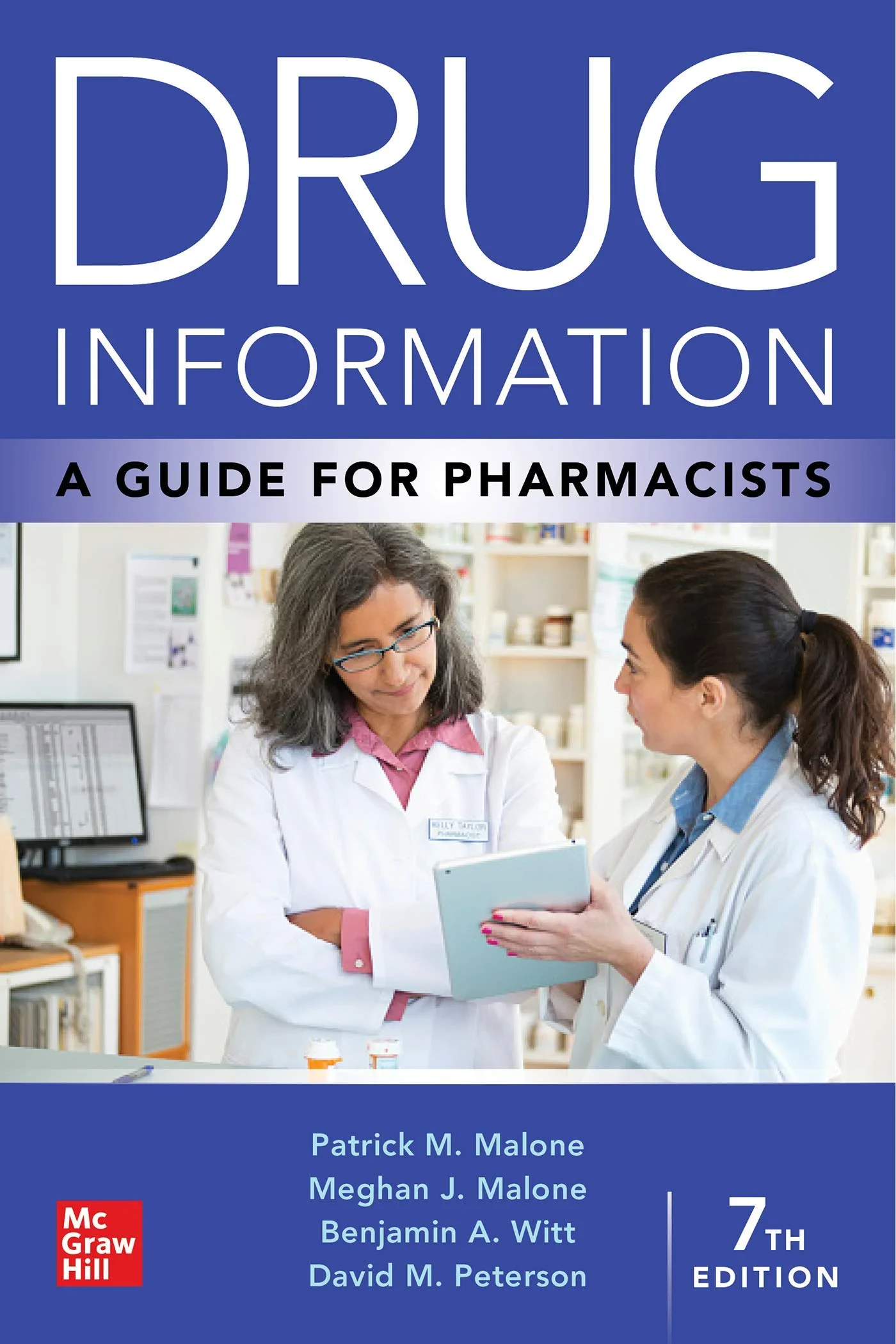
Everything pharmacists and pharmacy students need to know about drug information management Drug Information: A Guide for Pharmacists provides you with the tools you need to to research, interpret, evaluate, collate, and disseminate drug information in the most effective and efficient manner possible.
This trusted resource addresses essential topics such as formulating an effective response and recommendations for information, evaluation of drug literature, the application of statistical analysis in the biomedical sciences, medications and patient safety, investigational drugs, and more.
This updated seventh edition also addresses other important issues such as the legal and ethical considerations of providing information, how to respond to requests for information, and how to determine what information should be made available.
Table of Contents:
Chapter One.
Introduction to the Concept of Drug Information
Learning Objectives
Key Concepts
Introduction
The Beginning
The Evolution
Opportunities in Drug Information Specialty Practice
Summary and Direction for the Future
Self-Assessment Questions
Chapter Two.
Formulating an Effective Response: A Structured Approach
Learning Objectives
Key Concepts
Introduction
Steps for Answering a Question
Case Study 2–1
Case Study 2–2
Case Study 2–3
Formulating the Response
Case Study 2–4
Conclusion
Self-Assessment Questions
Chapter Three.
Drug Information Resources
Learning Objectives
Key Concepts
Introduction
Types of Biomedical Resources
Tertiary Resources
Case Study 3–1
Case Study 3–2
Case Study 3–3
Secondary Resources
Case Study 3–4
Primary Resources
Case Study 3–5
Alternative Resources
Case Study 3–6
Consumer Health Information
Staying Current
Reference Budget Considerations
Conclusion
Self-Assessment Questions
Chapter Four.
Drug Literature Evaluation I: Controlled Clinical Trial Evaluation
Learning Objectives
Key Concepts
Introduction
Biomedical/Pharmacy Literature
Approach to Evaluating Research Studies (True Experiments)
Case Study 4–1
Case Study 4–2
Specialized Types of Controlled Clinical Trials
Case Study 4–3
Conclusion
Self-Assessment Questions
Chapter Five.
Drug Literature Evaluation II: Beyond the Randomized Controlled Trial
Learning Objectives
Key Concepts
Introduction
Observational Studies
Case Study 5–1: Observational Study
Reviews
Case Study 5–2: Meta-Analysis
Other Study Designs
Natural Medicines Medical Literature
Case Study 5–3: Study Testing a Natural Medicine
Conclusion
Self-Assessment Questions
Chapter Six.
The Application of Statistical Analysis in the Biomedical Sciences
Learning Objectives
Key Concepts
Introduction
Populations and Sampling
Variables and the Measurement of Data
Descriptive Statistics
Common Probability Distributions
Epidemiological Statistics
Types of Study Design
Case Study 6–1
The Design and Analysis of Clinical Trials
Statistical Inference
Selecting the Appropriate Statistical Test
Case Study 6–2
Introduction to Common Statistical Tests
Case Study 6–3
Conclusion
Self-Assessment Questions
Chapter Seven.
Pharmacoeconomics
Learning Objectives
Key Concepts
Introduction
Pharmacoeconomics: What Is It and Why Do It?
Relationships of Pharmacoeconomics to Outcomes Research
Models of Pharmacoeconomic Analysis
Assessment of Costs
Assessment of Outcomes
Performing an Economic Analysis
What is Decision Analysis?
Steps in Reviewing Published Literature
Case Study 7–1
Selected Pharmacoeconomic Websites
Conclusion
Self-Assessment Questions
Chapter Eight.
Evidence-Based Clinical Practice Guidelines
Learning Objectives
Key Concepts
Introduction
Evidence-Based Medicine and Clinical Practice Guidelines
Guideline Development Methods and Evaluation
Case Study 8–1
Case Study 8–2
Case Study 8–3
Guideline Evaluation Tools
Use of Clinical Practice Guidelines
Case Study 8–4
Sources of Clinical Practice Guidelines
Conclusion
Self-Assessment Questions
Chapter Nine.
Journal Clubs
Learning Objectives
Key Concepts
Introduction
Conducting Journal Clubs
Case Study 9–1
Preparing the Presentation
Case Study 9–2
Case Study 9–3
Conclusion
Self-Assessment Questions
Chapter Ten.
Peer Review
Learning Objectives
Key Concepts
Introduction
What Is Peer Review?
Criticisms and Variations of Peer Review
Reasons to Participate in Peer Review
Locating Peer Review Opportunities
Preparing for Peer Review
Case Study 10–1
Reasons to Decline a Peer Review Invitation
Case Study 10–2
Performing Peer Review
Case Study 10–3
Involving Learners in Peer Review
Conclusion
Self-Assessment Questions
Chapter Eleven.
Legal Aspects of Drug Information
Learning Objectives
Key Concepts
Introduction
Tort Law
Case Study 11–1
Case Study 11–2
Defenses to Negligence and Malpractice Protection
Labeling and Advertising
Direct-to-Consumer (DTC) Drug Information
Off-Label Use and Informed Consent
Liability Concerns for Internet/Social Media Information
Fraud and Abuse
Intellectual Property Rights
Case Study 11–3
Privacy
Case Study 11–4
Industry Support for Educational Activities
Conclusion
Self-Assessment Questions
Chapter Twelve.
Ethical Aspects of Drug Information Practice
Learning Objectives
Key Concepts
Introduction
Basics of Ethics Analysis
Case Example 12–1 (Micro-Level Case)
Case Example 12–2 (Meso-Level Case)
Case Study 12–1 (Micro Level)
Case Study 12–2 (Micro Level)
Case Study 12–3 (Meso Level)
Case Study 12–4 (Macro Level)
Resources for Use by Professionals Seeking to Learn More about Medical Ethics, as Applied to Issues Involving Provision of Drug Information
Structures That Support Ethical Decision-Making
Conclusion
Self-Assessment Questions
Chapter Thirteen.
Professional Communication of Drug Information
Learning Objectives
Key Concepts
Introduction
Steps in Writing
Case Study 13–1
Specific Documents
Case Study 13–2
Case Study 13–3
Conclusion
Self-Assessment Questions
Chapter Fourteen.
Media Relations
Learning Objectives
Key Concepts
Introduction
Working with the Media
Case Study 14–1
Case Study 14–2
Case Study 14–3
Summary
Self-Assessment Questions
Chapter Fifteen.
Pharmacy and Therapeutics Committee
Learning Objectives
Key Concepts
Introduction
Case Study 15–1
Organizational Background
Pharmacy Support of the P&T Committee
P&T Committee Meeting
P&T Committee Functions
Case Study 15–2
Case Study 15–3
Communication within an Organization
Case Study 15–4
Conclusion
Study Questions
Self-Assessment Questions
Acknowledgment
Chapter Sixteen.
Drug Evaluation Monographs
Learning Objectives
Key Concepts
Introduction
Purpose of Drug Evaluation Monographs
Sources of Drug Monographs
Contents of the Drug Monograph
Importance of the Drug Monograph
Summary Page
Body of the Monograph
Distribution of Drug Formulary
Conclusion
Case Study 16–1
Case Study 16–2
Case Study 16–3
Case Study 16–4
Case Study 16–5
Case Study 16–6
Self-Assessment Questions
Acknowledgment
Chapter Seventeen.
Drug Shortages and Counterfeit Drugs
Learning Objectives
Key Concepts
Introduction
Drug Shortages
Case Study 17–1
Case Study 17–2
Case Study 17–3
Counterfeit Drugs
Conclusion
Self-Assessment Questions
Chapter Eighteen.
Quality Improvement and the Medication Use System
Learning Objectives
Key Concepts
Introduction
The Changing Environment for Health Care Quality
Case Study 18–1
Case Study 18–2
Purpose of Measuring Quality
Quality Measures
Quality Improvement
Case Study 18–3
Case Study 18–4
Case Study 18–5
Case Study 18–6
Quality in Drug Information
Publication of Quality Improvement Studies
Conclusion
Self-Assessment Questions
Chapter Nineteen.
Medication Safety I: Adverse Drug Reactions
Learning Objectives
Key Concepts
Introduction
Impact of Adverse Drug Reactions
Definitions
Causality and Probability of Adverse Drug Reactions
Case Study 19–1
Classification of Adverse Drug Reactions
Implementing a Program
The Role of Technology in ADR Surveillance
Reporting Adverse Drug Reactions
Case Study 19–2
Case Study 19–3
Future Approaches to Pharmacovigilance
Conclusion
Self-Assessment Questions
Chapter Twenty.
Medication Safety II: Medication Errors
Learning Objectives
Key Concepts
Introduction
Definitions: Medication Errors, Adverse Drug Events (ADES), and Adverse Drug Reactions (ADRS)
The Impact of Errors on Patients and Health Care Systems
Identification and Reporting of Medication Errors and Adverse Drug Events
Classification of Error Types
Classifying Patient Outcomes
External Reporting
Managing an Event Reporting System
Human Error or System Error?
Case Study 20–1
Risk Factors for Errors and Events
Types of Safety Analyses
Case Study 20–2
Just Culture
Case Study 20–3
Key Organizations for Safety Best Practices
Case Study 20–4
Conclusion: Safety as a Priority
Self-Assessment Questions
Chapter Twenty-One.
Policy, Procedure, and Guideline Development
Learning Objectives
Key Concepts
Introduction
Regulatory Considerations
Practice Document Design and Organization
Factors Influencing Practice Document Development
Systematic Method for Practice Document Development and Maintenance
Case Study 21–1
Conclusion
Case Study 21–2
Self-Assessment Questions
Chapter Twenty-Two.
Project Management
Learning Objectives
Key Concepts
Introduction
Projects, Programs, and Portfolios
Selecting Projects
Initiating a Project
Planning a Project
Case Study 22–1
Executing a Project
Monitoring and Controlling a Project
Closing a Project
Conclusion
Self-Assessment Questions
Chapter Twenty-Three.
Investigational Drugs
Learning Objectives
Key Concepts
Introduction
History of Drug Development Regulation in the United States
The Drug Approval Process
Case Study 23–1
Case Study 23–2
The Orphan Drug Act
Institutional Review Board/Institutional Ethics Committee
Case Study 23–3
Role of the Health Care Professional
Conclusion
Self-Assessment Questions
Chapter Twenty-Four.
Regulatory Affairs and Pharmaceutical Industry
Learning Objectives
Key Concepts
Introduction
Anatomy of the Department of Health and Human Services and the Food and Drug Administration
Division of Drug Information
Case Study 24–1
Opportunities within the FDA
The Food and Drug Administration and the Pharmaceutical Industry
Medical Communications in the Pharmaceutical Industry
FDA Regulatory Oversight
Fulfillment of Medical Information Requests
Case Study 24–2
Required Safety Reporting to FDA
Case Study 24–3
Code on Interactions with Healthcare Professionals
Opportunities for Health Professionals within Industry
Conclusion
Self-Assessment Questions
Chapter Twenty-Five.
Assessing Drug Promotions
Learning Objectives
Key Concepts
Introduction
Ethical Criteria for Medicinal Drug Promotion
Direct-to-Consumer Advertising (DTCA)
Case Study 25–1
Promotions to Health Care Professionals
Case Study 25–2
Case Study 25–3
Case Study 25–4
Conclusion
Self-Assessment Questions
Chapter Twenty-Six.
Drug Information in Ambulatory Care
Learning Objectives
Key Concepts
Introduction
Providing Drug Information in the Ambulatory Care Setting
Drug Information Responsibilities in Ambulatory Care
Case Study 26–1
Case Study 26–2
Case Study 26–3
Case Study 26–4
Conclusion
Self-Assessment Questions
Chapter Twenty-Seven.
Drug Information and Contemporary Community Pharmacy Practice
Learning Objectives
Key Concepts
Introduction
Pharmacists as Drug Information Providers
Patient Sources of Drug Information
Case Study 27–1
Case Study 27–2
Case Study 27–3
A New Model of Drug Information
Conclusion
Self-Assessment Questions
Chapter Twenty-Eight.
Pharmacy Informatics I: Systems and Technology for Patient Care
Learning Objectives
Key Concepts
Introduction
Medication-Use Proces
Pharmacy Informatics
Order Entry (Prescribing Stage)
Case Study 28–1
Order Verification
Dispensing
Administration
Monitoring
Case Study 28–2
Case Study 28–3
The Future: Informatics in the U.
S.
Health Care System
Case Study 28–4
Case Study 28–5
Conclusion
Self-Assessment Questions
Chapter Twenty-Nine.
Pharmacy Informatics II: Big Data
Learning Objectives
Key Concepts
Introduction
Reporting and Analytics
Case Study 29–1
Big Data
Case Study 29–2
Artificial Intelligence
Conclusion
Self-Assessment Questions
Chapter Thirty.
Drug Information Education and Training
Learning Objectives
Key Concepts
Introduction
Drug Information in Pharmacy Curriculum
Case Study 30–1
Case Study 30–2
Postgraduate Training in Drug Information
Case Study 30–3
Pursuing Specialty Training
Conclusion
Self-Assessment Questions
Appendices
Appendix 2–1 Example of Drug Information Consult Documentation Form
Appendix 2–2 Standard Questions for Obtaining Background Information from Requestors
Appendix 3–1 Performing a PubMed Search
Appendix 3–2 Selected Primary Literatures Sources
Appendix 4–1 Drug Literature Assessment Questions for Clinical Trials
Appendix 5–1 Drug Literature Assessment Questions for Other Study Designs
Appendix 8–1 Grade Evidence Profile: Antibiotics for Children with Acute Otitis Media
Appendix 12–1 Code of Ethics for Pharmacists
Appendix 13–1 Question Example
Appendix 13–2 Abstracts
Appendix 13–3 Bibliography
Appendix 15–1 Pharmacy and Therapeutics Committee Procedure
Appendix 15–2 Formulary Request Form
Appendix 15–3 P&T Committee Meeting Attributes
Appendix 15–4 Example P&T Committee Minutes
Appendix 15–5 Chairperson Skills
Appendix 15–6 Conflict of Interest Declaration
Appendix 16–1 Format for Drug Monograph
Appendix 16–2 Example Drug Monograph
Appendix 16–3 Biosimilar Monograph
Appendix 18–1 Tools Used in Quality Assurance
Appendix 18–2 Example of Criteria and Request for Approval
Appendix 18–3 Example of Medication Use Evaluation (MUE) Results
Appendix 18–4 Evaluation Form for Drug Information Response
Appendix 19–1 Kramer Questionnaire
Appendix 19–2 Naranjo Algorithm
Appendix 19–3 Jones Algorithm
Appendix 19–4 Liverpool ADR Causality Assessment Tool
Appendix 19–5 MedWatch Form
Appendix 21–1 Policy Example: High-Alert Medications
Appendix 22–1 Example of a Project Charter
Appendix 22–2 Stakeholder Matrix—IV Compounding Software Project
Appendix 22–3 Example PESTLE Analysis—IV Compounding Software Project
Appendix 22–4 Example Work Breakdown Structure (WBS)—IV Compounding Software Project
Appendix 24–1 Example REMS Template for Writing Participant Information
Appendix 24–2 Response Letter Drug A—Incidence of Yellow Stripes
Glossary
Case Study Answers
Abbreviations
Answers for Self-Assessment Questions
Index









Recenzii
Nicio recenzie găsită.