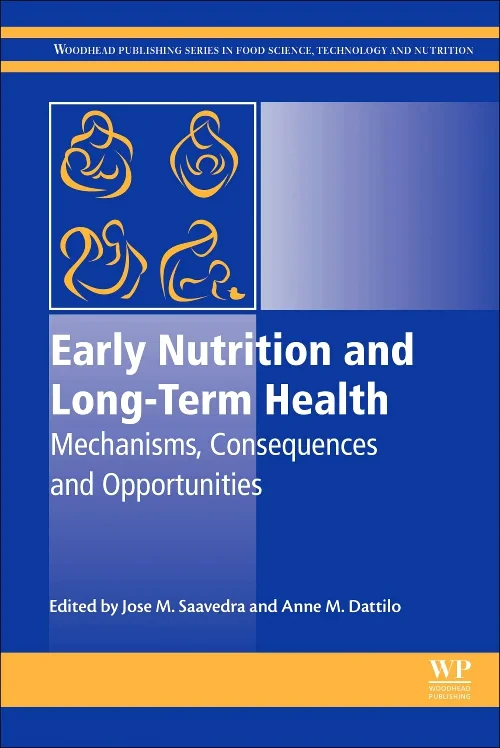
The nutrition of an individual during gestation and the first two years of life—the first 1,000 days—sets the stage for lifelong health.
Nutrition quality and quantity in this period can influence the risk of developing diseases that constitute today’s epidemics.
Early-life nutrition can program the body’s tissues, organ structure and function, and metabolic and immunologic responses.
These factors impact growth, development and cognition, and the risk of cardiovascular diseases, allergies and obesity.
The first part of Early Nutrition and Long-Term Health examines the mechanisms by which early nutrition affects the risk of developing these conditions.
The second part of this book reviews specific non-communicable diseases (NCDs) associated with early nutrition.
The third part discusses the effects of nutritional programming from fetal life to toddlerhood.
Prevention of over- or undernutrition in early life, rather than dietary, behavioral or therapeutic interventions in later life, is likely to have a greater return on society’s investment in coping with the modern epidemic of NCDs.








Recenzii
Nicio recenzie găsită.