Description:
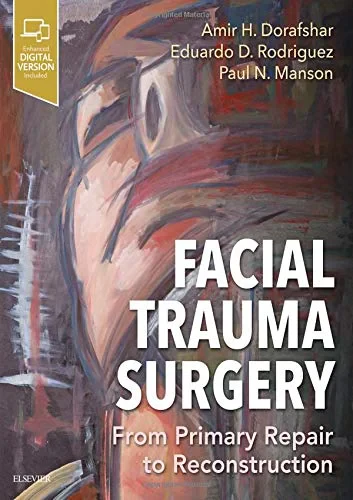
Offering authoritative guidance and a multitude of high-quality images, Facial Trauma Surgery: From Primary Repair to Reconstruction is the first comprehensive textbook of its kind on treating primary facial trauma and delayed reconstruction of both the soft tissues and craniofacial bony skeleton. This unique volume is a practical, complete reference for clinical presentation, fracture pattern, classification, and management of patients with traumatic facial injury, helping you provide the best possible outcomes for patients’ successful reintegration into work and society.
- Explains the basic principles and concepts of primary traumatic facial injury repair and secondary facial reconstruction.
- Offers expert, up-to-date guidance from global leaders in plastic and reconstructive surgery, otolaryngology and facial plastic surgery, oral maxillofacial surgery, neurosurgery, and oculoplastic surgery.
- Covers innovative topics such as virtual surgical planning, 3D printing, intraoperative surgical navigation, post-traumatic injury, treatment of facial pain, and the roles of microsurgery and facial transplantation in the treatment facial traumatic injuries.
- Includes an end commentary in every chapter provided by Dr. Paul Manson, former Chief of Plastic Surgery at Johns Hopkins Hospital and a pioneer in the field of acute treatment of traumatic facial injuries.
- Features superb photographs and illustrations throughout, as well as evidence-based summaries in current areas of controversy.
Table of Contents
Copyright
Video Contents
Foreword
“Precision Medicine” and Facial Injuries, 2018
References
Preface
List of Contributors
Acknowledgments
Dedication
Section 1 Primary Injury
1. 1 Assessment of the Patient With Traumatic Facial Injury
Background
Surgical Anatomy
Classification
Clinical Presentation
Radiological Evaluation
Surgical Treatments
References
References
1. 2 Radiological Evaluation of the Craniofacial Skeleton
Background
Surgical Anatomy
Radiological Evaluation
Classification
Postoperative Imaging
Acute and Long-Term Complications
Mandible
References
References
1. 3 Intraoperative Imaging and Postoperative Quality Control
Background
Surgical Anatomy in 3D Imaging
Radiological Evaluation
Surgical Techniques
Postoperative Course
Acute Complications
Long-Term Complications
The Need for Quality Control
References
1. 4 Primary Repair of Soft Tissue Injury and Soft Tissue Defects
Background
Surgical Anatomy
Clinical Presentation
Radiological Evaluation
Classification of Soft Tissue Injuries
Surgical Techniques
References
References
1. 5 Traumatic Facial Nerve Injury
Introduction
Epidemiology and Etiology
Surgical Anatomy
History and Physical Exam
Location, Mechanism, and Duration of Injury – Effects on Management Strategies
Additional Procedures
Complications
Conclusion
References
1. 6 Diagnosis and Multimodality Management of Skull Base Fractures and Cerebrospinal Fluid Leaks
Background
Surgical Anatomy
Clinical Presentation
Radiological Evaluation
Considerations in the Initial Management of Skull Base CSF Leaks
Surgical Techniques
Early and Delayed Complications
Case Example
Conclusions
References
1. 7 Frontal Bone and Frontal Sinus Injuries
Background
Anatomy
Etiology and Incidence
History and Physical Examination
Radiography
Surgical Approaches
Treatment Strategies
Treatment Algorithm
Complications and Long-Term Follow Up
References
References
1. 8 Endoscopic Approaches to Frontal and Maxillary Sinus Fractures
Background
Surgical Anatomy
Clinical Presentation
Radiological Evaluation
Surgical Indications
Transnasal Endoscopic Approach to Frontal Sinus Fractures
Endoscopic Approaches to Repair of Orbital Floor Fractures
Postoperative Course
Complications
Conclusion
References
1. 9 Orbital Fractures
Background
Surgical Anatomy
Clinical Presentation
Radiological Evaluation
Classification
Surgical Indications
Surgical Techniques
Postoperative Course
Acute Complications
Long-Term Complications
References
1. 10 Nasal Fractures
Background
Surgical Anatomy
Clinical Presentation
Radiological Evaluation
Classification
Surgical Indications
Surgical Techniques
Postoperative Course
Complications
References
1. 11 Naso-orbito-ethmoid (NOE) Fractures
Background
Surgical Anatomy
Clinical Presentation
Radiological Evaluation
Classification
Surgical Indications
Surgical Techniques
Postoperative Course
Acute Complications
Long-Term Complications
References
References
1. 12 Orbitozygomaticomaxillary Complex Fractures
Background
Incidence and Etiology
Surgical Anatomy
Clinical Presentation
Radiological Evaluation
Classification
Surgical Indications
Surgical Techniques
Postoperative Course
Acute Complications
Long-Term Complications
Conclusion
References
References
1. 13 Le Fort Fractures
Background
Incidence
Etiology
Surgical Anatomy
Clinical Presentation
Radiological Evaluation
Classification
Surgical Indications
Surgical Goals/Techniques
Postoperative Course
Acute Complications
Long-Term Complications
References
References
1. 14 Mandible Fractures
Background
Epidemiology
Surgical Anatomy
Classification
Clinical Presentation
Physical Examination
Radiological Examination
Surgical Indications
Surgical Approaches/Techniques
Postoperative Course
Complications
References
1. 15 Fractures of the Condylar Process of the Mandible
Background
Surgical Anatomy and Clinical Presentation
Radiological Evaluation
Terminology
Classification of Condylar Process Fractures
Treatment of Condylar Process Fractures
Trauma-Derived Temporomandibular Disorders
References
References
1. 16 Complications of Mandibular Fractures
The Problem
Nature of Complications
Evolution of Complications
Incidence of Complications
Etiologic Factors in Mandibular Fracture Complications
Infection, Delayed, Non- and Malunion, Hardware Exposure, Hardware Failure
Paresthesia/Paresis
Complications of Condylar Fractures
Patient Noncompliance
Conclusion
References
1. 17 Temporal Bone Fractures
Background
Etiology
Temporal Bone Anatomy
Clinical Presentation
Classification of Temporal Bone Fractures
Management, Surgical Indications, and Techniques
Long-Term Complications
Conclusion
Reference
References
1. 18 Dentoalveolar Trauma
Background
Surgical Anatomy
Clinical Presentation
Radiological Evaluation
Classification
Management
Surgical Techniques
Acute Complications
Long-Term Complications
References
References
1. 19 Management of Panfacial Fractures
Background
Surgical Anatomy
Clinical Presentation
Radiological Evaluation
Presurgical Preparation
Surgical Techniques
Postoperative Course
Acute Complications
Long-Term Complications
Case Examples
References
References
1. 20 Characteristics of Ballistic and Blast Injuries
Introduction
Background
Components of Ballistic Missiles
Components of Improvised Explosive Devices
The Principles of Velocity
Characteristics of Ballistic Injuries
Conclusion
Key Points
Bibliography
1. 21 Geriatric and Edentulous Maxillary and Mandibular Fractures
Diagnosis
Mandible Fractures
Complications
Maxillary Fractures
Complications
References
References
Section 2 Pediatric Facial Injury
2. 1 Pediatric Skull Fractures
Background
Epidemiology
Pediatric Skull and Fracture Anatomy
Clinical Presentation
Radiological Evaluation
Surgical Indications
Surgical Techniques
Postoperative Course
Illustrative Case Examples
Complications
Conclusion
References
2. 2 Superior Pediatric Orbital and Frontal Skull Fractures
Background and Incidence
Surgical Anatomy
Clinical Presentation
Radiological Evaluation
Surgical Indications
Surgical Techniques
Acute Complications
Long-Term Complications
References
2. 3 Pediatric Orbital Fractures
Background
Surgical Anatomy
Classification
Clinical Presentation
Radiographic Evaluation
Surgical Indications
Surgical Technique
Postoperative Course
Acute Complications
Long-Term Complications
Conclusions
References
2. 4 Pediatric Midface Fractures
Background
Surgical Anatomy
Clinical Presentation
Radiological Evaluation
Classification
Surgical Indications
Maxillomandibular Fixation
Surgical Techniques
Postoperative Course
Conclusion
Reference
References
2. 5 Pediatric Mandible Fractures
Background
Embryology and Growth of the Mandible
Anatomy of the Mandible
Stages of Dentition
Fracture Patterns in Pediatric Populations
Evaluation
Treatment
Major Complications and Management
Conclusion
References
Section 3 Secondary Reconstruction and Restoration
3. 1 Reconstruction of Full-Thickness Frontocranial Defects
Background
Case Examples
Conclusions
References
References
3. 2 Pediatric Cranial Reconstruction
Background
Clinical Presentation
Pediatric Cranioplasty – Surgical Techniques
References
3. 3 Secondary Reconstruction of Facial Soft Tissue Injury and Defects
Background and Etiology
Initial Assessment
Principles of Secondary Soft Tissue Correction
Soft Tissue Contour Augmentation
Temporal Contour Deformity
Cheek Ptosis
Periorbital Deformity
Nasal Deformities
Brow Ptosis
Scar Revision
Resurfacing Techniques
Traumatic Tattooing
Excisional Techniques
Tissue Expansion
References
References
3. 4 Ocular Considerations
Background
Surgical Anatomy
Clinical Assessment
Entropion
Ectropion
Blink
Ptosis
Epiphora
Surgical Techniques
Postoperative Considerations
Long-Term Complications
References
3. 5 Secondary Nasoethmoid Fracture Repair
Background
Surgical Anatomy
Clinical Presentation
Radiological Evaluation
Classification (Fig.
3.
5. 9)
Surgical Indications
Surgical Techniques (Fig.
3.
5. 11)
Postoperative Course
Complications
Conclusion
References
References
3. 6 Posttraumatic Nasal Deformities
Background
Surgical Anatomy
Clinical Presentation
Surgical Techniques
Case Examples
Postoperative Course
Complications
Conclusion
References
3. 7 Secondary Orbital Reconstruction
Background
Clinical Presentation
Radiological Evaluation
Surgical Indications
Surgical Techniques
Postoperative Course
Complications
References
3. 8 Secondary Midfacial Reconstruction
Background
Central Midface and Medial Canthal Deformity
Zygoma Fractures Secondary Deformity
Le Fort Fractures Secondary Deformity
Conclusions
References
3. 9 Secondary Osteotomies of the Maxilla and Mandible, and Management of Occlusion
Background
Patient Evaluation
Case Examples
Conclusions
References
3. 10 Secondary Traumatic TMJ Reconstruction
Background
Anatomy of the TMJ
Posttraumatic Indications for TMJ Reconstruction
Autogenous Graft Failure
Imaging of the TMJ
TMJ Reconstructive Techniques
Surgical Technique (Stock Prosthesis)
Complications
References
3. 11 Maxillofacial Prosthodontics
Background
Oral and Dental Anatomy Evaluation
Intraoral Prosthetic Rehabilitation
Soft Palate Evaluation
Tongue Evaluation
Extraoral Evaluation
Osseointegrated Dental Implants
Conclusion
References
3. 12 Custom Craniofacial Implants
Background
Clinical Presentation
Radiological Evaluation
CAD/CAM Facial Implants
Preferred Surgical Techniques
Postoperative Course
Reference
References
3. 13 Secondary Microvascular Reconstruction of the Traumatic Facial Injury
Background
Surgical Anatomy
Clinical Presentation
Radiologic Evaluation
Surgical Indications
Surgical Technique
Postoperative Course
Complications
Case Examples
References
References
3. 14 Virtual Surgical Planning
Background
Contemporary Uses of CAS
Primary Reconstruction
Secondary Reconstruction
Future of CAS in Craniofacial Surgery
References
3. 15 Posttraumatic Facial Pain
Background
Differential Diagnosis of Posttraumatic Facial Pain
Surgical Treatment of A Painful Neuroma (Box
3.
15. 2)
Frontal Branch of the Trigeminal Nerve (V1)
Cervical Plexus Injury and Facial Pain
Occipital Nerves and Facial Pain
Reference
References
3. 16 Secondary Nerve Reconstruction
Background
Trigeminal Anatomy
Peripheral Nerve Injury and Histopathology
Clinical Presentation
Surgical Techniques
Follow-up
References
3. 17 Facial Transplantation
Background
Surgical Indications
Classification
Surgical Techniques
Postoperative Course
Acute Complications
Long-Term Complications
References
Appendix 1 Evidence-Based Medicine












Recenzii
Nicio recenzie găsită.