Description:
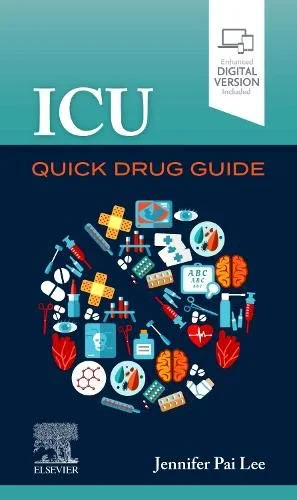
Offering essential, evidence-based practice guidelines specifically for the critical care setting, ICU Quick Drug Guide contains up-to-date information in a quick-access format. This portable handbook provides fast, accurate drug therapy information needed at the point of care, including expert advice throughout to help clinicians determine optimal pharmacological therapy.
- Offers a quick summary of current clinical guidelines to experienced clinicians while providing a simplified, focused guide to all entry level clinicians.
- Covers the wide variety of issues seen in the ICU, including sepsis and septic shock, venous thromboembolism, acute heart failure, anaphylaxis, arrhythmias, asthma and COPD, pain, infections, pancreatitis and liver failure, stroke, and many more.
- Begins each topic with a brief discussion of the disease state followed by drug tables that compare and contrast different treatment regimens, including pharmacokinetics, pharmacodynamics, drug interactions, contraindications, and hepatic/renal dosing.
- Contains clinical pearls organized by the top disease states seen in the critical/acute care setting.
- Provides practical and essential drug information from Dr. Jennifer Pai Lee, a clinical pharmacist with expertise in critical care and pharmacokinetics/pharmacodynamics.
Table of Contents:
SECTION
1. CARDIOVASCULAR CRITICAL CARE
1. Acute coronary syndromes
Clinical signs and symptoms of ACS (fig.
1. 1)
Causes of troponin elevations (box
1. 1)
Acute management of ACS
References
2. Acutely decompensated heart failure (ADHF)
Definitions
Precipitating factors
Pharmacologic management
References
3. Adult advanced cardiovascular life support
Asystole/pulseless electrical activity
Ventricular fibrillation/pulseless ventricular tachycardia
Bradycardia with pulse
Tachycardia with pulse
Post-cardiac arrest care
Targeted temperature management (TTM) or therapeutic hypothermia (TH)
References
4. Anticoagulation for atrial fibrillation or atrial flutter
Anticoagulation to prevent thromboembolism in atrial fibrillation (AF) or atrial flutter
References
5. Hypertensive crisis
Definitions
Management
References
SECTION
2. ENDOCRINE, GASTROINTESTINAL, AND HEPATIC DISORDERS
6. Diabetic ketoacidosis (DKA) and hyperosmolar hyperglycemic state (HHS)
Introduction
Diagnosis criteria (table
6. 1)
Management (table
6. 2)
Insulin preparations (table
6. 3)
References
7. Other endocrine emergencies
Thyroid storm
Myxedema coma
Adrenal crisis
References
8. Gastroenterology
GI fistulas
Postoperative ileus (POI)
Postoperative nausea and vomiting (PONV)
Upper GI bleeding (UGIB)
References
9. Severe acute pancreatitis and liver failure
Severe acute pancreatitis
Liver failure
Hepatic encephalopathy
References
SECTION
3. INFECTIOUS DISEASES
10. Abdominal infections
Complicated intra-abdominal infection
Clostridium difficile infection (CDI)
References
11. Other infections
Hospital-acquired and ventilator-associated pneumonia
Community-associated pneumonia
Influenza
Intravascular catheter-related infections
Catheter-associated urinary tract infections (cautis)
Skin and soft tissue infections (SSTIs)
Antimicrobial prophylaxis in surgery
Bacterial meningitis
References
12. Sepsis and septic shock
Definitions
Management of sepsis and septic shock
References
SECTION
4. NEUROCRITICAL CARE
13. Acute ischemic stroke (AIS)
Definitions
Classification of stroke types (fig.
13. 1)
National institutes of health stroke scale (table
13. 1)
Management
References
14. Other neurocritical care
Myasthenia crisis
Guillain-barre syndrome
Antithrombotic-induced intracranial hemorrhage
References
15. Status epilepticus
References
SECTION
5. PULMONARY DISORDERS
16. Asthma and chronic obstructive pulmonary disease (COPD) exacerbation
Asthma exacerbation
Chronic obstructive pulmonary disease (COPD) exacerbation
References
17. Pulmonary arterial hypertension (group 1 pulmonary hypertension)
References
SECTION
6. MISCELLANEOUS
18. Acute alcohol and drug poisoning
Introduction
Management after patient stabilization
References
19. Anaphylaxis
Introduction
Signs and symptoms (table
19. 1)
Triggers (table
19. 2)
Acute management (table
19. 3)
Prevention
References
20. Drug-induced hyperthermia
Malignant hyperthermia (MH)
Neuroleptic malignant syndrome (NMS)
Serotonin syndrome
References
21. Fluids and electrolyte disorders
General overview (tables
21. 1,
21. 2, and
21. 3)
Hypernatremia
Hyponatremia
Other electrolyte abnormalities and management (table
21. 6)
References
22. Pain, agitation, delirium, and neuromuscular blockade in the intensive care unit (ICU)
Pain
Agitation
Delirium
Neuromuscular blockade
References
23. Rapid sequence induction
Introduction
Pharmacotherapy
Vasopressors for blood pressure support
References
24. Venous thromboembolism (VTE)
Introduction
Risk factors for VTE
Prevalence of VTE
Thromboprophylaxis
Treatment of VTE with anticoagulants
References
Appendix
References
Index











Recenzii
Nicio recenzie găsită.