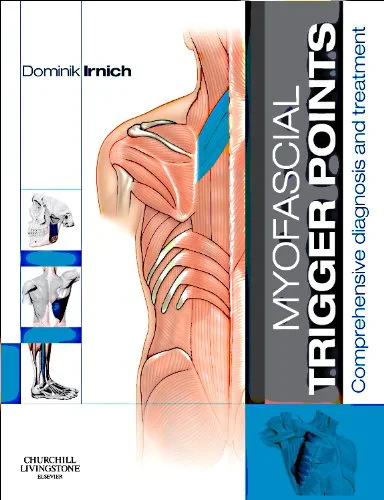
| Section 1 The background 1 Guide to the book 2 Terminology 3 Epidemiology
3. 1 Etiology of disease
3. 2 Epidemiology 4 Etiology of myofascial pain syndrome
4. 1 Causative factors
4. 2 Perpetuating factors of myofascial pain
4. 3 Chronification of myofascial pain 5 The anatomy and physiology of the muscles
5. 1 Macroscopic construction
5. 2 Function
5. 3 Neurophysiology 6 Pathophysiology
6. 1 Historical development
6. 2 Underlying theories of pathophysiology
6. 3 Specific pathophysiology
6. 4 The extended integrated hypothesis 7 The trigger point as expression of a functional disorder of the locomotor system
7. 1 The function of the locomotor system in association with memory
7. 2 Pathophysiological role of mTrP 8 Trigger points and myofascial pain - acupuncture points and meridian system
8. 1 Trigger points and acupuncture points
8. 2 Referred pain and meridians
8. 3 Other study results
8. 4 Pain and somatovisceral correspondence of trigger and acupuncture points
8. 5 Summary 9 Myofascial trigger points and fascia
9. 1 Anatomy - definitions
9. 2 Biomechanical function
9. 3 Muscle hardening (taut bands)
9. 4 Fascia as sensory organ
9. 5 Association with trigger points - therapeutic considerations 10 Fibromyalgia syndrome 11 Myofascial trigger points and somatoform pain
11. 1 Introduction and clinical information
11. 2 Epidemiology
11. 3 Etiology and pathogenesis
11. 4 Differential diagnosis
11. 5 Therapy
11. 6 Health service assessment 12 Integrated holistic consideration of the muscles
12. 1 Introduction
12. 2 Function and purpose of the muscles
12. 3 Approach via acupuncture 13 Diagnosis of myofascial pain
13. 1 Principles
13. 2 Questioning
13. 3 Physical examination
13. 4 Specific diagnosis of myofascial trigger points
13. 5 Technical test procedures
13. 6 Creating a comprehensive diagnosis with instructions for treatment 14 Differential diagnosis
14. 1 Differential diagnosis according to affected structure and cause
14. 2 Differential diagnosis depending on distribution pattern Section 2 Treatment of myofascial pain 15 Principles of treatment
15. 1 Doctor-patient relationship
15. 2 Practical hints
15. 3 Legal aspects
15. 4 Documentation of progress 16 Peculiarities of doctor-patient relationship with chronic pain 17 Selection of suitable treatments
17. 1 Standard treatments
17. 2 Other (traditional) treatments 18 Manual therapies and physiotherapeutic procedures
18. 1 Dejung manual trigger point therapy
18. 2 Lewit treatment techniques
18. 3 Spray and stretch, cool and extend
18. 4 Fascia techniques for the treatment of mTrP 19 Treatment concept - myofascial trigger point therapy
19. 1 Manual techniques and dry needling
19. 2 Extension, relaxation/stretching, detensioning
19. 3 Functional training, ergonomics 20 Physical procedures
20. 1 Ultrasound therapy
20. 2 Hot and cold treatments
20. 3 Electrotherapy
20. 4 Cupping
20. 5 Transcutaneous electrical nerve stimulation
20. 6 Laser therapy
20. 7 Shock wave therapy 21 Trigger point infiltration
21. 1 Indications and contraindications
21. 2 Injectants
21. 3 Technique 22 Acupuncture and related procedures
22. 1 Dry needling (trigger point acupuncture)
22. 2 Classical acupuncture
22. 3 Kiiko Matsumoto acupuncture
22. 4 Microsystem acupuncture
22. 5 Electrostimulation acupuncture
22. 6 Laser acupuncture
22. 7 Preusser gelopuncture
22. 8 Tuina 23 Complementary and alternative therapy methods and naturopathic treatments
23. 1 Definitions
23. 2 Basic principles
23. 3 Treatment procedures
23. 4 Integration of complementary and alternative methods in multimodal pain programme 24 Relaxation techniques - body and mind
24. 1 Preliminary remarks
24. 2 Western relaxation techniques
24. 3 Eastern relaxation techniques 25 Systemic pharmacotherapy
25. 1 Introduction
25. 2 Substance groups
25. 3 Treatment strategy Section 3 Muscles and trigger points 26 Head
26. 1 M. masseter
26. 2 M. temporalis
26. 3 M. pterygoideus medialis
26. 4 M. pterygoideus lateralis
26. 5 M. digastricus
26. 6 M. stylohyoideus
26. 7 M. mylohyoideus
26. 8 M. geniohyoideus 27 Throat, neck and shoulder region
27. 1 M. splenius capitis
27. 2 M. splenius cervicis
27. 3 Muscles of the cervical M. erector trunci
27. 4 Suboccipital muscles
27. 5 M. sternocleidomastoideus
27. 6 Mm. scaleni
27. 7 M. trapezius
27. 8 M. levator scapulae 28 Shoulder and upper arm
28. 1 M. deltoideus
28. 2 M. supraspinatus
28. 3 M. infraspinatus
28. 4 M. teres minor
28. 5 M. latissimus dorsi
28. 6 M. teres major
28. 7 M. subscapularis
28. 8 Mm. rhomboidei major and minor
28. 9 M. coracobrachialis
28. 10 M. biceps brachii
28. 11 M. brachialis
28. 12 M. triceps brachii (with M. anconaeus) 29 Elbow, forearm and hand
29. 1 Hand extensors
29. 2 M. brachioradialis
29. 3 Finger extensors
29. 4 M. supinator
29. 5 M. palmaris longus
29. 6 Hand and finger flexors in the forearm
29. 7 M. adductor et opponens pollicis 30 Thoracic spine and thorax
30. 1 Thoracic autochtonous back extensors
30. 2 M. pectoralis major
30. 3 M. pectoralis minor
30. 4 M. sternalis
30. 5 M. serratus posterior superior
30. 6 M. serratus anterior
30. 7 M. serratus posterior inferior 31 Abdomen
31. 1 M. rectus abdominis
31. 2 M. obliquus abdominis (externus et internus)
31. 3 M. pyramidalis 32 Lumbar spine, pelvis and hip region (pelvic girdle)
32. 1 Lumbar autochthonous back muscles
32. 2 M. quadratus lumborum
32. 3 M. iliopsoas major
32. 4 Pelvic floor muscles
32. 5 M. gluteus maximus
32. 6 M. gluteus medius
32. 7 M. gluteus minimus
32. 8 M. piriformis 33 Hip, thigh and knee
33. 1 M. tensor fasciae latae
33. 2 Adductors of the hip joint.
33. 3 M. quadriceps femoris
33. 4 Ischiocrural muscles
33. 5 M. popliteus 34 Lower leg and foot
34. 1 M. tibialis anterior
34. 2 Mm. peronei (fibulares) longus et brevis
34. 3 M. gastrocnemius
34. 4 M. soleus
34. 5 M. tibialis posterior
34. 6 M. extensor hallucis longus and extensor digitorum longus
34. 7 M. flexor digitorum longus and flexor hallucis longus | 











Recenzii
Nicio recenzie găsită.