Logo
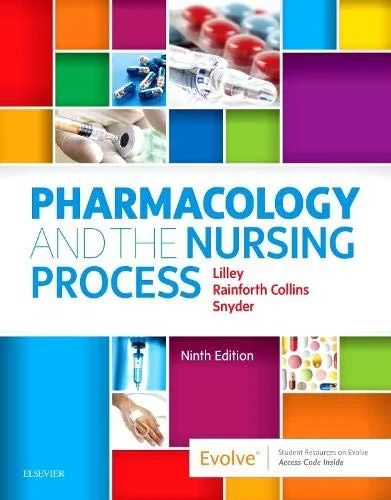
Coperta cărții "Pharmacology and the Nursing Process, 9e" de autor necunoscut

Pharmacology and the Nursing Process, 9e

561.61 LEI
623.45 LEI
-10%
In Stock
Description

Description:

Get the perfect blend of pharmacology, prioritization, and nursing process information. As one of the best-selling nursing pharmacology books on the market, Pharmacology and the Nursing Process focuses on the key information you need to safely and effectively administer medications. The 9th Edition features clearly written updated drug content reflecting the latest FDA drug approvals, withdrawals, and therapeutic uses. Hundreds of full-color illustrations detail how drugs work in the body and depict key steps in administration. As in previous editions, the text includes thoughtful learning strategies, simple language, a wealth of student-friendly features and innovative learning aids, and QSEN callouts. Along with its integrated NCLEX® preparation and instructor resources, you won’t find a more complete pharmacology text on the market!

Features:

  • Focus on need-to-know content uses a "key drug" approach to help you focus on the most important information.
  • Focus on the nursing process helps you learn to prioritize nursing care to focus on the most essential assessments, nursing diagnoses, interventions, and evaluation/outcome criteria.
  • Focus on prioritization includes prioritized nursing diagnoses along with corresponding prioritization of goals and outcomes, to help you learn to connect nursing diagnoses to goals and outcomes.
  • Additional QSEN coverage incorporates more QSEN information throughout the text.
      • Applicable QSEN competencies added to text case study titles
      • Collaboration and teamwork content added to selected case studies
      • Addition of new Safety: What Went Wrong? case studies
      • Explanation of QSEN initiatives as it relates to safety and quality of patient care is included in the Medication Errors chapter
  • Improved readability is aided by more friendly, direct-address language; shorter sentences; simplified language (where appropriate); and much more.
  • An extensive Photo Atlas of Drug Administration features more than 100 step-by-step illustrations depicting key steps in drug administration for various routes of drug administration.
  • UNIQUE! QSEN focus highlights those aspects of the book — such as boxes, tips, case studies, and other content — that correlate with the QSEN competencies.
  • Popular key drug approach focuses on the need-to-know content for safe clinical practice and uses a streamlined approach to drug indications, emphasizing only the most common or serious adverse effects.
  • Integrated NCLEX® Examination preparation includes seven NCLEX Examination review questions in every chapter, with at least one alternate-format item per chapter.
  • Thorough application of the nursing process is addressed in each chapter to help you learn how to prioritize nursing care to focus on the most essential assessments, nursing diagnoses, interventions, and evaluation/outcome criteria.
  • Colorful and consistent learner-friendly format utilizes a variety of tables and practical body systems organization to help you integrate pharmacology content with what you are learning in medical-surgical and adult health nursing courses.
  • Large collection of student-friendly learning aids includes approachable text elements such as:
      • Cartoon-illustrated learning strategies covering study, time management, and test-taking tips related to studying pharmacology.
      • Drug profiles highlighting specific information on commonly-used agents.
      • Case studies that help bring patients to life and promote critical thinking skills.
      • Dosages tables providing instant access to dosages, routes, and indications for individual drugs.
      • Key points summarizing key pharmacology and nursing content in each chapter.
      • Critical thinking and prioritization questions encourage you to think on a deeper level.
      • More than 250 full-color photos and illustrations show how drugs work in the body and how to administer medications safely and effectively.

New To This Edition:

  • NEW! Thoroughly updated drug content reflects the very latest FDA drug approvals, withdrawals, and therapeutic uses, as well as corresponding updated nursing content
  • NEW! UNIQUE! Many new images in Photo Atlas of Drug Information included to accompany difficult concepts.
  • NEW! Inclusion of more student practice questions helps you better comprehend complex concepts.

Table Of Contents:

PART 1: PHARMACOLOGY BASICS

1. The Nursing Process and Drug Therapy

2. Pharmacologic Principles

3. Lifespan Considerations

4. Cultural, Legal, and Ethical Considerations

5. Medication Errors: Preventing and Responding

6. Patient Education and Drug Therapy

7. Over-the-Counter Drugs and Herbal and Dietary Supplements

8. Gene Therapy and Pharmacogenomics

9. Photo Atlas of Drug Administration

PART 2: DRUGS AFFECTING THE CENTRAL NERVOUS SYSTEM

10. Analgesic Drugs

11. General and Local Anesthetics

12. Central Nervous System Depressants and Muscle Relaxants

13. Central Nervous System Stimulants and Related Drugs

14. Antiepileptic Drugs

15. Antiparkinson Drugs

16. Psychotherapeutic Drugs

17. Substance Use Disorder

PART 3: DRUGS AFFECTING THE AUTONOMIC NERVOUS SYSTEM

18. Adrenergic Drugs

19. Adrenergic-Blocking Drugs

20. Cholinergic Drugs

21. Cholinergic-Blocking Drugs

PART 4: DRUGS AFFECTING THE CARDIOVASCULAR AND RENAL SYSTEMS

22. Antihypertensive Drugs

23. Antianginal Drugs

24. Heart Failure Drugs

25. Antidysrhythmic Drugs

26. Coagulation Modifier Drugs

27. Antilipemic Drugs

28. Diuretic Drugs

29. Fluids and Electrolytes

PART 5: DRUGS AFFECTING THE ENDOCRINE AND REPRODUCTIVE SYSTEMS

30. Pituitary Drugs

31. Thyroid and Antithyroid Drugs

32. Antidiabetic Drugs

33. Adrenal Drugs

34. Women’s Health Drugs

35. Men’s Health Drugs

PART 6: DRUGS AFFECTING THE RESPIRATORY SYSTEM

36. Antihistamines, Decongestants, Antitussives, and Expectorants

37. Respiratory Drugs

PART 7: ANTIINFECTIVE AND ANTIINFLAMMATORY DRUGS

38. Antibiotics Part 1

39. Antibiotics Part 2

40. Antiviral Drugs

41. Antitubercular Drugs

42. Antifungal Drugs

43. Antimalarial, Antiprotozoal, and Anthelmintic Drugs

44. Antiinflammatory and Antigout Drugs

PART 8: CHEMOTHERAPEUTIC DRUGS AND BIOLOGIC AND IMMUNE MODIFIERS

45. Antineoplastic Drugs Part 1: Cancer Overview and Cell Cycle–Specific Drugs

46. Antineoplastic Drugs Part 2: Cell Cycle–Nonspecific Drugs and Miscellaneous Drugs

47. Biologic Response–Modifying and Antirheumatic Drugs

48. Immunosuppressant Drugs

49. Immunizing Drugs

PART 9: DRUGS AFFECTING THE GASTROINTESTINAL SYSTEM AND NUTRITION

50. Acid-Controlling Drugs

51. Bowel Disorder Drugs

52. Antiemetic and Antinausea Drugs

53. Vitamins and Minerals

54. Anemia Drugs

55. Nutritional Supplements

PART 10: DERMATOLOGIC, OPHTHALMIC, AND OTIC DRUGS

56. Dermatologic Drugs

57. Ophthalmic Drugs

58. Otic Drugs

Appendix: Pharmaceutical Abbreviations

Index

Details
  • ISBN: 9780323529495
  • Authors: Linda Lane Lilley PhD RN, Shelly Rainforth Collins PharmD, Julie S. Snyder MSN RN-BC
  • Language: en
  • Publication Year: 2019
  • Pages: 992
  • Dimensions: 27.43 × 21.59 × 3.3
Ratings
to add a review
Reviews
  • No Review Found