Description:
FOUR STARS from Doody's Star Ratings™
The image of the whole person reflected in the feet
Foot reflexology is now widely used to relieve symptoms of many disorders. Hanne Marquardt is a pioneer in teaching and practicing foot reflexology in Germany - many of today's practicing foot reflexologists were trained at her well-established teaching institution. This book, based on the best-selling fourth German edition, has been constantly reviewed and updated by the author, incorporating new findings and strategies as they evolved.
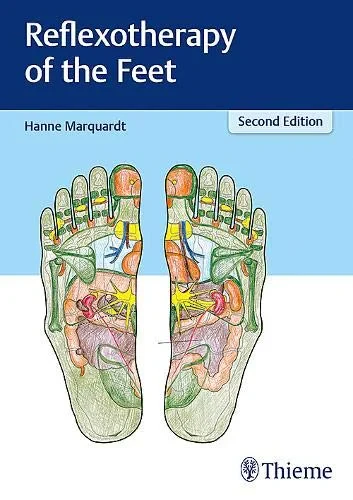
In many hand-drawn illustrations of the microsystem of the feet, the book introduces the principles and the practice of foot reflexology. It covers - the complete topography of zones - general treatment examples - specific applications and strategies on treatment combinations the book profits from the author's personal style and lengthy teaching experience.
Table of Contents:
Foreword to the First Edition
Preface to the Second Edition
Preface to the First Edition
Part I General Principles
1 Historical Development of Foot Treatments
1. 1 First Historical References
1. 2 Developments in Modern Times
1. 3 The Path from Reflexology to Reflexotherapy of the Feet
1. 4 What are Reflex Zones of the Feet? An Examination Based on Current Understanding of Vital Processes
1.
4. 1 Known Relationships in Conventional Medicine
1.
4. 2 New Approaches in Research and Science—General
1.
4. 3 New Approaches in the Field of Medical Therapy
1.
4. 4 Reflex Zones as Microsystems and Information Carriers
1.
4. 5 Information about the Existence and Effect of the Reflex Zones of the Feet
1.
4. 6 Practical Working Models for Locating the Zones of the Feet
1.
4. 7 Summary
1.
4. 8 Abbreviated Form for Daily Practice
2 Two Working Models for a Practical Approach to Reflexotherapy of the Feet
2. 1 The Grid Pattern according to William FitzGerald
2.
1. 1 Vertical Division into 10 Longitudinal Zones
2.
1. 2 Horizontal Division
2. 2 Macrosystem of the Human Body as Recognized in Various Microsystems
2.
2. 1 Similarity in Shape between a Seated Person and the Foot
2.
2. 2 Anatomical Assignment of the Zones of the Foot
3 Basic Therapeutic Grips: Touching, Treating
3. 1 Touch
3. 2 Grip Technique
3.
2. 1 Basic Thumb Grip
3.
2. 2 Basic Index Finger Grip
3.
2. 3 Alternating Strokes
3.
2. 4 Stretching Grip
3.
2. 5 Sedating Grip
3.
2. 6 Rules of Grip Application
3.
2. 7 Learning Aids
3. 3 Summary
4 Characteristics of Abnormal Zones; Limits of Dosage
4. 1 Signs of Abnormal Zones
4. 2 Signs of Dosage Limits
4. 3 How to Deal with Overreactions during Treatment
5 Indications and Contraindications
5. 1 Reliable Indications for Beginners
5. 2 Contraindications
5.
2. 1 Absolute Contraindications
5.
2. 2 Relative Contraindications
6 Stabilization and Harmonization of the Autonomic Nervous System
6. 1 Stabilizing Grips for Physical and Psychological Effects
6.
1. 1 General Information
6.
1. 2 Heel-stretching Grip
6.
1. 3 “Energy Cap”
6.
1. 4 Respiration-regulating Grip
6.
1. 5 Palms-to-Soles Grip
6.
1. 6 Yin-Yang Grip
6.
1. 7 Solar Plexus Grip
6.
1. 8 “Small Energy Cycle”
6.
1. 9 The Lemniscate—the Symbol for Infinity
6.
1. 10 “Groin opener”
6.
1. 11 Practical Advice
6. 2 Eutonic Grips for Harmonization
6.
2. 1 “Webbed Toe” Grip
6.
2. 2 Shoulder–Arm Grip
6.
2. 3 Pelvis–Leg Grip
6.
2. 4 Sacrum Grip
6. 3 Sphincter Treatment for Harmonization of the Autonomic Nervous System
6.
3. 1 Practical Application
6.
3. 2 Additional Possibilities
6.
3. 3 Sedate or Tonify?
6. 4 Summary
7 Preparation for Treatment
7. 1 The Relationship between Patient and Therapist
7. 2 Instructions for the Patient
7. 3 Preparing for the First Treatment
7. 4 Patient Positioning during Treatment
7.
4. 1 General Instructions
7.
4. 2 Variations
7. 5 Rules for the Therapist
7.
5. 1 Correct Posture
7.
5. 2 Observing our Own Breathing
7.
5. 3 A Healthy Distance
7.
5. 4 Summary
8 Pain—Its Purpose and Significance
8. 1 Health, Disease, and Pain
8. 2 Perceptions of Pain in the Zones and Methods of Treatment
9 Limits of Determination of Zones in Writing
9. 1 Deviations in Related Zones
9.
1. 1 Physiological Deviations in the Location of Zones
9.
1. 2 Pathological Deviations
9.
1. 3 Summary
9. 2 Reciprocal Effects of Disorders of the Feet and Organism
9.
2. 1 Effects of Foot Disorders
9.
2. 2 Effects of Disorders in the Organism
9.
2. 3 Additional Interpretations of Findings in the Feet
9.
2. 4 Summary
10 The Individual Groups of Zones
10. 1 Introduction
10. 2 Zones of the Head and Neck
10.
2. 1 General Information
10.
2. 2 Illustration of the Zones
10.
2. 3 Anatomical Location of the Zones
10.
2. 4 Treatment Technique
10. 3 Zones of the Spine, Thorax, and Shoulder Girdle
10.
3. 1 General Information
10.
3. 2 Illustration of the Zones
10.
3. 3 Anatomical Location of the Zones
10.
3. 4 Treatment Technique
10. 4 Zones of the Urinary Tract, Bones and Tissue of the Pelvis to the Knee
10.
4. 1 General Information
10.
4. 2 Illustration of the Zones
10.
4. 3 Anatomical Location of the Zones
10.
4. 4 Treatment Technique
10. 5 Zones of the Endocrine System
10.
5. 1 General Information
10.
5. 2 Illustration of the Zones
10.
5. 3 Topography
10.
5. 4 Treatment Technique
10. 6 Zones of the Respiratory Organs and Heart
10.
6. 1 General Information
10.
6. 2 Illustration of the Zones
10.
6. 3 Topography
10.
6. 4 Treatment Technique
10. 7 Zones of the Digestive Tract
10.
7. 1 General Information
10.
7. 2 Illustration of the Zones
10.
7. 3 Topography
10.
7. 4 Treatment Technique
10. 8 Zones of the Lymphatic System and Solar Plexus
10.
8. 1 General Information
10.
8. 2 Illustration of the Zones
10.
8. 3 Topography
10.
8. 4 Treatment Technique
Part II Practical Part
11 The First Treatment as an Assessment
11. 1 The Initial Perception of the Feet
11. 2 Visual Inspection
11.
2. 1 Structural Analysis of the Foot
11.
2. 2 Tissue of the Foot
11.
2. 3 Skin and Nails
11.
2. 4 Temperature of the Feet
11. 3 Palpation
11.
3. 1 Establishment of a Reliable Measure
11.
3. 2 Practical Application of Palpation
11.
3. 3 Differentiation between Symptomatic and Background Zones
11.
3. 4 Examples of the Same Symptomatic Zones with Different Background Zones
11.
3. 5 Summary
11. 4 How to Work with the Treatment Card
11. 5 Exceptions with Regard to Performing the First Assessment
11. 6 Finishing a Treatment
11.
6. 1 Rest after Treatment
11.
6. 2 Suggestions for Active Involvement of the Patient
11. 7 Summary
12 Performing the Follow-up and Final Treatments
12. 1 Overview
12.
1. 1 Summary
12. 2 Approach in the Follow-up Treatments
12.
2. 1 Treatment of Abnormal Zones
12.
2. 2 Points of Emphasis
12. 3 Final Treatment
12.
3. 1 Performing the Final Treatment
12.
3. 2 Summary
13 Duration of and Intervals between Treatments
13. 1 Duration of the First Assessment and Follow-up Treatments
13. 2 Treatment Intervals
13. 3 Duration of a Treatment Series
14 Reactions during Treatment Intervals
14. 1 General Information
14. 2 The Most Common Reactions
14. 3 Dealing with Strong Reactions
14.
3. 1 General Information
14.
3. 2 Care during Strong Reactions
14.
3. 3 Examples of Severe Reactions
14. 4 Negative Reactions, New Diseases
14. 5 Summary
15 Right–Left Interchangeability of Zones of the Feet
15. 1 General Information
15. 2 Practical Aids for Differentiation
15. 3 Summary
16 Management and Treatment of Pain in Acute Situations
16. 1 General Information
16. 2 Performance
16.
2. 1 Treatment of the Symptomatic Zone with the Sedating Grip
16.
2. 2 Simultaneous Treatment of Functionally Related Background Zones
16.
2. 3 Summary
16. 3 Careful Treatment of Symptomatic Zones in Special Diseases
16.
3. 1 Examples
16.
3. 2 Summary
17 Therapeutic Support for Intensely Emotional Reactions
17. 1 General Information
17. 2 Practical Information
17. 3 Additional Experiences
17. 4 Summary
18 Treatment Combinations
18. 1 General Information
18. 2 Approved Combinations
18.
2. 1 In Physical Therapy
18.
2. 2 In Clinics, Rehabilitation Centers, and Sanatoriums
18.
2. 3 In Medical Practices
18. 3 RTF and Medication
18. 4 Treatment of the Extremities
18.
4. 1 Nonspecific Treatment of Zones of the Extremities
18.
4. 2 Collateral and Contralateral Treatments of the Extremities
18.
4. 3 Transferring Consensual Treatment to the Zones of the Feet
18. 5 Accompanying Measures
18. 6 Reflexotherapy of the Hand
18.
6. 1 Hands and Feet: a Comparison
18.
6. 2 Therapy of the Hand Zones
18.
6. 3 Performance of Therapy on the Hands
18.
6. 4 Special Indications
19 Self-treatment and Orthotic Foot Devices
19. 1 Self-treatment
19.
1. 1 Possibilities
19.
1. 2 Limits
19.
1. 3 Good Indications for Self-Treatment
19.
1. 4 Summary
19. 2 Mechanical Aids
20 Diagnostic Possibilities and Limitations
20. 1 General Information
20. 2 Differential Diagnostics
20. 3 Additional Information
21 Treatment Suggestions
21. 1 General Information
21.
1. 1 Tonifying and Sedating
21. 2 Zones of the Head and Neck
21.
2. 1 General Information
21.
2. 2 Treatment Suggestions
21. 3 Zones of the Spine, Shoulder, and Pelvic Girdle
21.
3. 1 General Information
21.
3. 2 Treatment Suggestions for the Spine
21.
3. 3 General Information about the Shoulder Girdle and Thorax
21.
3. 4 Treatment Suggestions for the Shoulder Girdle and Thorax
21.
3. 5 General Information about the Pelvic Girdle to the Knee
21.
3. 6 Treatment Suggestions
21. 4 Zones of the Urinary Tract
21.
4. 1 General Information
21.
4. 2 Treatment Suggestions
21. 5 Zones of the Endocrine System
21.
5. 1 General Information
21.
5. 2 Treatment Suggestions
21.
5. 3 The Thymus
21. 6 Zones of the Respiratory Organs and Heart
21.
6. 1 General Information—Respiration
21.
6. 2 Treatment Suggestions for Respiratory Organs
21.
6. 3 General Information—The Heart
21.
6. 4 Treatment Suggestions for the Heart and Circulation
21. 7 Zones of the Digestive Organs
21.
7. 1 General Information
21.
7. 2 Treatment Suggestions
21. 8 Zones of the Lymphatic System
21.
8. 1 General Information
21.
8. 2 Treatment Suggestions
22 Pregnancy and Birth
22. 1 General Information
22. 2 Treatment during Pregnancy
22.
2. 1 Basic Treatment
22.
2. 2 Common Complaints
22. 3 Complaints before, during, and after the Birth
22. 4 Treatment of the Newborn
22.
4. 1 Summary
23 Treatment of Babies and Children
23. 1 General Information
23. 2 The Correct Dosage
23. 3 Proven Indications
23. 4 Summary
Part III Special Topics and Further Developments
24 Special Groups of Patients
24. 1 Chronically Sick and Bed-Ridden Patients
24.
1. 1 General Information
24.
1. 2 Special Chronic Diseases
24.
1. 3 Summary
24. 2 Care of Patients in Palliative Medicine
24.
2. 1 Professional Support from Caregivers
24.
2. 2 Care Provided by Friends and Relatives
24. 3 Sleep Disturbances
24. 4 Anorexia Nervosa and Bulimia Nervosa
24. 5 Allergies
25 Treatment of Scars with Reflexotherapy of the Feet
25. 1 General Information
25. 2 Performance
25.
2. 1 Choice of Scars for reflexotherapy of the feet (RTF)
25.
2. 2 Localization of Scar Zones
25.
2. 3 Treatment Technique for Scar Zones
25. 3 Summary
26 Zones of the Teeth and Their Energetic Interrelationships
26. 1 General Information
26. 2 The Dental Chart
26.
2. 1 Practical Application
26. 3 Summary
27 Zones of the Pelvic Ligaments
27. 1 Indications
27. 2 Contraindications
27. 3 Treatment Technique
28 Zones of the Face and Neck
28. 1 General Information
28. 2 The Relationships in Detail
29 Zones of the Lymphatic System
29. 1 General Information
29. 2 Advantages of RTF Lymphatic Treatment
29. 3 Indications and Contraindications
29. 4 Practical Application of RTF Lymphatic Treatment
29. 5 Possible Reactions
30 Interrelationships between Zones of the Feet and Meridians
30. 1 General Information
30. 2 What Are Meridians?
30. 3 Practical Application
30. 4 Meridian Afflictions in situ
31 Shared Practical Experience
31. 1 Management and Treatment of Pain in Acute Situations
31.
1. 1 Threatening Ileus
31.
1. 2 Restricted Mobility of the Left Shoulder Joint
31.
1. 3 Acute Tonsillitis
31. 2 Skeletomuscular Diseases
31.
2. 1 Ischialgia
31.
2. 2 Bursitis of Left Elbow
31.
2. 3 Severe Pain in Thigh and Hip on Right Side
31. 3 Sports Injuries
31.
3. 1 Calcaneal Fracture after Accident
31.
3. 2 Fall during the Tour de France, Fracture of the Clavicle
31. 4 Diseases of the Digestive Tract
31.
4. 1 Diverticulitis
31.
4. 2 Hemorrhoids and Constipation
31.
4. 3 Digestive Complaints
31. 5 Diseases of the Urinary Tract
31.
5. 1 Recurrent Bladder Infections, Backache
31.
5. 2 Urethral Calculus on Right Side
31. 6 Respiratory Disorders
31.
6. 1 Status after Pneumonia
31.
6. 2 Chronically Blocked Nose
31. 7 Headaches
31.
7. 1 Headaches since Childhood
31.
7. 2 Migraine
31. 8 Gynecology
31.
8. 1 Hot flushes
31.
8. 2 Amenorrhea
31.
8. 3 Cyst on the Left Ovary
31. 9 Pregnancy and Birth
31.
9. 1 Preparation for the Birth
31.
9. 2 Urinary Retention in 9th Week of Pregnancy
31.
9. 3 Induction of Labor via the Feet
31. 10 Treatment of Infants
31.
10. 1 Experiences in the Premature Baby Intensive Care Unit
31.
10. 2 Intestinal Colic, Torticollis
31.
10. 3 Congested Tear Duct
31. 11 Treatment of Children
31.
11. 1 Spasmodic Torticollis, Acute
31.
11. 2 Tics Presenting as Blinking of the Eyelids
31.
11. 3 Constipation, Lack of Peristalsis
31. 12 Treatment of the Elderly
31.
12. 1 Hardness of Hearing at 101 Years Old
31.
12. 2 Condition after a Complex Fracture of the Radius and Mastectomy on the Left Side
31. 13 Self-Treatment
31.
13. 1 Positive Gynecological Results
31.
13. 2 Scar Treatment—Transferred from the Microsystem to the Macrosystem
31.
13. 3 Cyst on Right Ovary
31. 14 Lymphatic Disorders
31.
14. 1 Chronic Suppurative Otitis Media, Bronchitis and Sinusitis
31.
14. 2 Glandular Fever
31.
14. 3 Lymphedema of Both Legs
31. 15 Allergies, Skin Diseases
31.
15. 1 Allergic Rhinitis
31.
15. 2 Allergic Cough
31.
15. 3 Condition after Herpes Zoster, Allergies
31. 16 Neurological Diseases
31.
16. 1 Stroke with Cerebral Hemorrhage
31.
16. 2 Restless Legs
31.
16. 3 Multiple Sclerosis, Granuloma of the Right Maxilla
31. 17 Cancer
31.
17. 1 End-Stage Lung Cancer
31.
17. 2 Acute Bladder Infection after Surgery for Breast Cancer
31.
17. 3 Condition after Breast Cancer, Left Side
31. 18 Palliative Care, Terminal Care
31.
18. 1 A Special Good Bye
31.
18. 2 Experiences with In-patients
31. 19 Teeth as Interference Fields
31.
19. 1 Sacroiliac Joint/Lumbar Spine Complaints
31.
19. 2 Knee Complaints
31. 20 Scars as Interference Fields
31.
20. 1 Clavicle Scar as Interference Field with Pain in Lumbar Spine and Sacroiliac Joint
31.
20. 2 Status after Gall Bladder Operation, Diarrhea
31.
20. 3 Uterine Fibroid Surgery
31. 21 Postoperative Treatment
31.
21. 1 Status after Total Endoprothesis, Right Knee
31.
21. 2 Status after Sigma Resection 2007
31. 22 Combination Treatments
31.
22. 1 Condition after Operation for Pleural Empyema and Effusions
31.
22. 2 ADHD, Hyperactivity
31.
22. 3 Multiple Myogeloses
31. 23 Miscellaneous and Special Issues
31.
23. 1 “Heel Spur”—Chronic Constipation
31.
23. 2 Pelvic Ligaments and Belly Dancing
31.
23. 3 Piercing
31.
23. 4 Astigmatism, Inflamed Tonsils
31.
23. 5 Symptoms on the Foot
32 Summary of the Method
Part IV Appendix
33 Authorized RTF Schools and Further Information
34 Figure Sources
35 Technical Terms
36 Bibliography
37 Index












Recenzii
Nicio recenzie găsită.