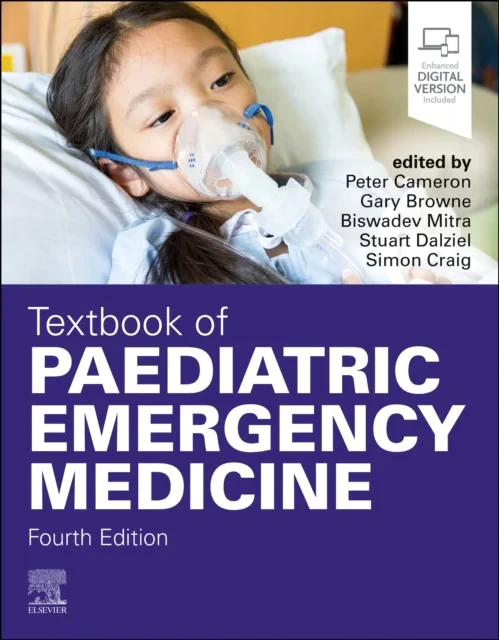
| SECTION 1 Approach to the Paediatric Patient
1. 1 Approach to the paediatric patient
1. 2 Common chronic paediatric conditions SECTION 2 Resuscitation
2. 1 Paediatric cardiopulmonary arrest
2. 2 Paediatric basic life support
2. 3 Paediatric advanced life support
2. 4 Paediatric resuscitation in specific circumstances
2. 5 Shock
2. 6 Sepsis recognition and initial management Section 3: Analgesia and sedation
3. 1 Analgesia
3. 2 Procedural sedation Section 4: Neonatal emergencies
4. 1 The normal neonate
4. 2 The crying infant
4. 3 Neonatal dermatology
4. 4 Acute neonatal emergencies
4. 5 Neonatal resuscitation Section 5: Cardiology
5. 1 Cardiovascular assessment and murmurs
5. 2 Chest pain
5. 3 Syncope
5. 4 Cyanotic heart disease and tetralogy of Fallot spells
5. 5 Heart failure
5. 6 Congenital heart disease
5. 7 Acute rheumatic fever
5. 8 Infective endocarditis
5. 9 Kawasaki disease
5. 10 Cardiac arrhythmias Section 6: Respiratory
6. 1 Stridor and noisy breathing
6. 2 Upper respiratory tract infections
6. 3 Inhaled foreign body
6. 4 Croup
6. 5 Acute asthma
6. 6 Pertussis
6. 7 Community-acquired pneumonia
6. 8 Bronchiolitis Section 7: Gastroenterology and hepatology
7. 1 Abdominal pain
7. 2 Vomiting
7. 3 Gastrointestinal bleeding
7. 4 Gastro-oesophageal reflux
7. 5 Pyloric stenosis
7. 6 Ingested foreign bodies
7. 7 Acute liver failure
7. 8 Diarrhoea
7. 9 Management of acute hepatitis in children presenting to the emergency department
7. 10 Intussusception
7. 11 Herniae
7. 12 Gastroenteritis
7. 13 Constipation
7. 14 Inflammatory bowel disease Section 8: Neurology
8. 1 Cerebrospinal fluid shunt complications
8. 2 Raised intracranial pressure
8. 3 Seizures and non-epileptic events
8. 4 Acute weakness
8. 5 Acute ataxia
8. 6 Headache
8. 7 Central nervous system infections: meningitis and encephalitis Section 9: Infectious diseases
9. 1 Infectious Diseases, including fever
9. 2 SARS-CoV-2 Section 10: Endocrinology and metabolic
10. 1 Inborn errors of metabolism
10. 2 Hypoglycaemia in the non-diabetic child
10. 3 Diabetic emergencies in children
10. 4 Thyroid emergencies
10. 5 Adrenal emergencies
10. 6 Disorders of fluids, electrolytes and acid–base Section 11: Haematology and oncology
11. 1 The use of blood products in children
11. 2 Anaemia
11. 3 Disorders of coagulation
11. 4 Platelet disorders
11. 5 Vasculitis
11. 6 Acute leukaemia
11. 7 Febrile neutropaenia
11. 8 Emergencies in paediatric oncology Section 12: Renal
12. 1 Acute kidney injury
12. 2 Haematuria
12. 3 Hypertension
12. 4 Urinary tract infection in pre-school children
12. 5 Haemolytic uraemic syndrome
12. 6 Nephrotic syndrome
12. 7 IgA Vasculitis (Henoch-Schönlein Purpura) Section 13: Trauma in children
13. 1 Introduction to paediatric trauma
13. 2 Paediatric neurotrauma
13. 3 Spinal injury
13. 4 Thoracic injuries in childhood
13. 5 Abdominal and pelvic trauma
13. 6 Burns
13. 7 Children in a disaster response
13. 8 Wound management Section 14: Orthopaedics and rheumatology
14. 1 Orthopaedics and rheumatology
14. 2 The child with a limp
14. 3 Fractures and dislocations
14. 4 Risk management in acute paediatric orthopaedics Section 15: Dermatology
15. 1 Dermatology Section 16: Ophthalmology
16. 1 Ophthalmological assessment and common emergencies
16. 2 Congenital, developmental and neoplastic conditions
16. 3 Ocular trauma Section 17: ENT and dental
17. 1 The ear
17. 2 The nose
17. 3 The mouth and throat
17. 4 Retropharyngeal abscess
17. 5 Foreign bodies of Nose and Throat plus caustic ingestion Section 18: Obstetrics and gynaecology
18. 1 Paediatric Gynaecology
18. 2 Emergency contraception Section 19: Male genitalia
19. 1 Male genitalia Section 20: Adolescent medicine in the emergency department
20. 1 Adolescent medicine in the emergency department
20. 2 Eating disorders and anorexia Section 21: Psychiatric
21. 1 Paediatric psychiatric emergencies
21. 2 Acute behavioural disturbance Section 22: Crisis intervention
22. 1 Sexual assault
22. 2 Child at risk Section 23: Poisoning
23. 1 General approach to poisoning
23. 2 Specific poisons Section 24: Environmental
24. 1 Envenomation
24. 2 Drowning
24. 3 Heat-induced illness
24. 4 Cold injuries
24. 5 Anaphylaxis and food reactions Section 25: Administration in EMS
25. 1 Managing the death of a child in the ED: Bereavement issues Section 26: Transport and retrieval
26. 1 Emergency medical transport and retrieval
26. 2 Sick child in rural hospital Section 27: Teaching paediatric emergency medicine
27. 1 Web-based resources
27. 2 Teaching paediatric emergency medicine Section 28: Paediatric research in the emergency department
28. 1 Research in children in the emergency department Section 29: Common procedures
29. 1 Estimating the weight of infants and children
29. 2 Basic Airway management techniques
29. 3 Non-Invasive Ventilation
29. 4 Endotracheal intubation
29. 5 The surgical airway
29. 6 Chest procedures
29. 7 Removing and replacing a tracheostomy tube
29. 8 Peripheral and Central intravenous lines
29. 9 Intraosseous access
29. 10 Umbilical vessel cannulation
29. 11 Defibrillation
29. 12 Transurethral catheterisation and suprapubic bladder aspiration
29. 13 Lumbar puncture
29. 14 Inguinal hernia reduction
29. 15 Paraphimosis reduction
29. 16 Gastrostomies and other enteral feeding devices– trouble shooting in the ED Section 30: Ultrasound
30. 1 Ultrasound
30. 2 Diagnostic ultrasound in paediatric emergency medicine
30. 3 Ultrasound guidance for procedures
30. 4 Incorporating ultrasound into paediatric resuscitation | 






Recenzii
Nicio recenzie găsită.