Urolithiasis, or stone disease occurs in 7% of women and 12% of men at some point, and these statistics are rising.
Furthermore, for those who form a stone, the likelihood of a recurrence is nearly 50% within 5 years of initial diagnosis.
Therefore, the need for effective, minimally invasive alternatives for stone eradication and prevention is critical.
Because stone disease comprises a large part of any urologist’s practice, a thorough knowledge of the pathogenesis and pathophysiology of stone disease is critical in order to understand and implement treatment strategies to prevent stone formation.
Likewise, a working knowledge of the surgical treatments, instrumentation and outcomes is necessary to arm patients with sufficient information to make an informed decision and to provide the appropriate treatment modality for a given stone situation.
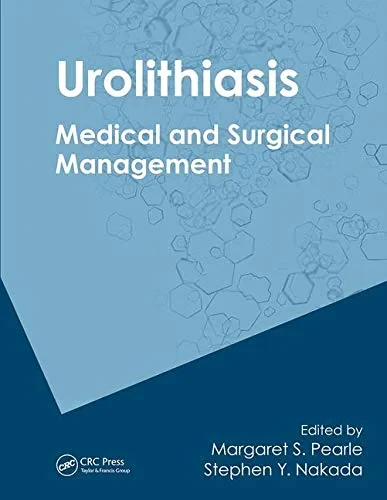
In Urolithiasis: Medical and Surgical Management, the authors provide a complete guide to the management of stone disease from both a medical and surgical prospective.
This book should be an invaluable resource for those who treat stone disease in any capacity, whether surgically or medically, acutely or long-term.












Recenzii
Nicio recenzie găsită.